
Generating Passive Income with Private Credit: Why High-Net-Worth Investors Are Turning to Asset-Backed Income Strategies
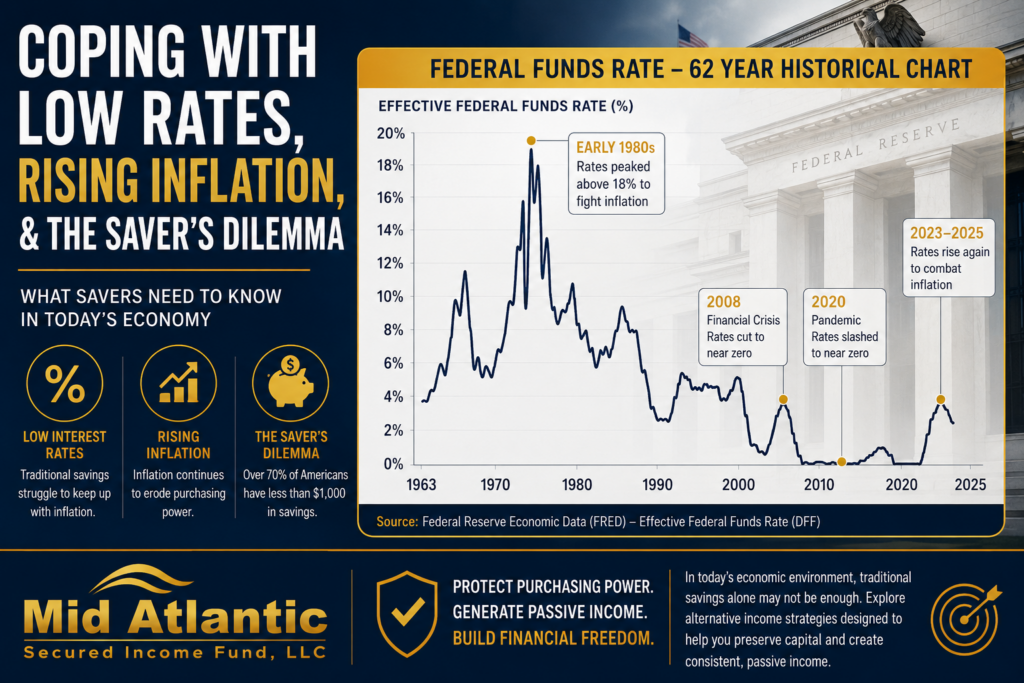
For decades, traditional retirement income strategies relied heavily on public fixed income markets, dividend-paying stocks, certificates of deposit, and municipal bonds. However, the modern investment environment has changed dramatically. Persistent inflation, elevated interest-rate volatility, market drawdowns, and growing uncertainty surrounding traditional 60/40 portfolios have pushed many high-net-worth investors to reevaluate how they generate reliable passive income. As a result, private credit and asset-backed lending strategies have emerged as one of the fastest-growing segments within alternative investments. According to Preqin, global private credit assets under management surpassed approximately $1.7 trillion in recent years and are projected to continue expanding as institutional and accredited investors seek stable cash flow, downside protection, and diversification away from traditional public markets. For sophisticated investors focused on capital preservation and long-term income generation, passive income investing increasingly means looking beyond Wall Street and toward private markets. At The Mid Atlantic Secured Income Fund, the focus is on income-oriented, senior secured, asset-backed lending strategies designed to prioritize stability, disciplined underwriting, and downside protection. What Is Passive Income Investing? Direct Answer Passive income investing refers to investment strategies designed to generate recurring cash flow with limited day-to-day operational involvement from the investor. Common passive income investments include: dividend-paying stocks bonds real estate investment trusts (REITs) private credit funds real estate debt funds private lending strategies asset-backed investments The goal is typically to produce: recurring income portfolio diversification reduced volatility long-term wealth preservation For high-net-worth individuals and retirees, passive income investing often becomes increasingly important during periods of market uncertainty or when transitioning from wealth accumulation to wealth preservation. Why Passive Income Has Become Increasingly Important The Retirement Landscape Has Changed The retirement environment today is substantially different than it was two decades ago. Several structural trends are reshaping investor behavior: Inflation Pressure The U.S. experienced the highest inflationary period in over 40 years during the post-pandemic economic cycle. Even as inflation moderates, elevated living costs continue pressuring retirees and income-focused investors. Longer Life Expectancies According to the Social Security Administration, many retirees may spend 20–30 years in retirement, increasing the importance of sustainable income generation. Public Market Volatility Traditional bond markets experienced historic declines during the recent interest-rate tightening cycle. Many investors were surprised to discover that fixed income portfolios were not immune to meaningful drawdowns. Search for Yield Investors increasingly seek alternatives capable of generating higher income potential than traditional savings accounts, CDs, or Treasury securities alone. This environment has accelerated interest in: private credit asset-backed lending real estate debt senior secured income strategies What Is Private Credit Investing? Direct Answer Private credit investing involves lending capital directly to businesses, real estate projects, or borrowers outside traditional public bond markets. Private credit strategies may include: real estate debt funds bridge lending senior secured lending receivables financing purchase order financing private corporate lending asset-backed loans Unlike publicly traded bonds, private credit investments are often: privately negotiated collateralized structured with covenants income-focused less correlated with public markets Private credit has become a major allocation within institutional portfolios. Large firms such as Apollo, Blackstone, Ares, KKR, and Goldman Sachs have significantly expanded their private credit platforms as demand for alternative income strategies has accelerated globally. Why High-Net-Worth Investors Are Allocating to Private Credit 1. Income Generation Potential One of the primary reasons investors allocate to private credit is the potential for recurring income generation. Private lending structures may offer yields that exceed many traditional fixed-income investments due to: illiquidity premiums complexity premiums negotiated lending terms private market inefficiencies This can make private credit attractive for investors seeking: monthly distributions retirement cash flow portfolio income diversification inflation-conscious income strategies 2. Asset-Backed Downside Protection Unlike unsecured lending strategies, many private credit investments are backed by tangible collateral. Examples may include: residential real estate multifamily assets commercial properties receivables equipment inventory contractual cash flows Senior secured lending structures may provide investors with stronger downside protection relative to certain unsecured public market investments. At The Mid Atlantic Secured Income Fund, emphasis is placed on senior secured and first-lien positions designed to prioritize capital preservation. 3. Reduced Correlation to Public Markets Private credit investments are often less directly tied to daily public market fluctuations. This may help investors diversify portfolios beyond: equities traditional bonds publicly traded REITs During periods of stock market volatility, many investors value investments that are driven more by: underlying collateral cash flow generation contractual loan agreements than by investor sentiment or short-term market reactions. How Real Estate Debt Funds Generate Passive Income Direct Answer Real estate debt funds generate passive income by lending capital to real estate projects and collecting interest payments from borrowers. These loans may include: bridge loans construction loans acquisition financing refinance loans stabilized property loans Income generated through borrower interest payments may then be distributed to investors according to fund structures and offering terms. Senior Secured Lending Explained What Does “Senior Secured” Mean? A senior secured loan generally refers to debt that: holds priority repayment status is backed by collateral may have legal protections through lien positions In many real estate debt structures, first-lien positions may provide investors with enhanced protection relative to subordinate or unsecured debt positions. This structure is one reason many institutional investors continue increasing exposure to private credit strategies. Passive Income Investing vs Traditional Fixed Income Investment Type Traditional Bonds Private Credit Publicly Traded Yes No Daily Market Volatility High Lower Relative Volatility Yield Potential Moderate Often Higher Collateral Backing Sometimes Frequently Asset-Backed Liquidity High Lower Income Focus Yes Strong Income Focus Institutional Adoption Mature Rapidly Growing Why Real Estate Matters in Passive Income Strategies Real estate-backed lending remains attractive because housing and commercial real estate continue serving as foundational components of the broader economy. Even during volatile market cycles, demand for: housing multifamily development infrastructure logistics commercial real estate financing continues driving private lending opportunities. According to Freddie Mac and U.S. housing market research, structural housing supply shortages remain an ongoing theme across many U.S. regions. This creates continued financing demand for experienced lenders and private credit managers. Atlanta and