
A maturing loan rarely arrives at a convenient moment. A lease-up may still be underway, renovation work may be finishing, or a permanent lender may be willing to lend – but not yet on terms that make sense. That is where commercial refinance bridge loans often enter the picture. They are designed to buy time, preserve flexibility, and create a path from a transitional situation to a more stable capital structure.
For experienced real estate owners and operators, the appeal is straightforward. A bridge refinance can address a looming payoff, recapitalize a property after improvements, or carry an asset through a period of transition until conventional financing becomes available. The key is understanding that bridge debt is not simply fast money. It is a short-duration credit solution that works best when the borrower has a clear business plan, realistic exit, and collateral that supports disciplined underwriting.
What commercial refinance bridge loans are meant to solve
Commercial refinance bridge loans are short-term loans used to replace an existing mortgage or debt obligation on an income-producing or commercial property. In most cases, the property is in transition. It may be partially vacant, under renovation, recently acquired and repositioned, or not yet ready to meet the debt service coverage, seasoning, or occupancy standards of a bank or permanent lender.
That transitional profile is what separates a bridge refinance from a conventional refinance. A conventional lender generally wants stability – predictable cash flow, documented operating history, and property performance that already fits its credit box. A bridge lender underwrites the property as it exists today, but also evaluates what it is expected to become over the loan term.
This distinction matters because timing can materially affect value. A borrower who refinances too early into permanent debt may face lower proceeds, more recourse, tighter covenants, or pricing that does not reflect the property’s near-term upside. A bridge refinance can provide the runway needed to complete leasing, stabilize operations, resolve deferred maintenance, or finish a capital program before seeking longer-term financing.
When a refinance bridge loan makes sense
The best use cases tend to be practical rather than dramatic. A sponsor may need to refinance an existing loan that is approaching maturity while tenant improvements are still in progress. An office, retail, multifamily, or mixed-use property may be moving toward stabilization but not there yet. A borrower may also want to retire higher-cost debt, pay off a partner, or fund a defined business plan tied to value creation.
In some situations, the issue is less about the property and more about timing in the capital markets. Credit standards tighten. Appraisals lag current improvements. A bank that would likely lend in six months may not lend today. In that gap, a well-structured bridge refinance can protect ownership control and prevent a forced sale or distressed recapitalization.
That said, not every property should be bridged. If the asset has stable occupancy, strong in-place cash flow, and qualifies for permanent financing on acceptable terms, short-term bridge debt may add cost without adding much strategic value. The structure works best when there is a measurable reason the property needs time.
How lenders underwrite commercial refinance bridge loans
Underwriting usually starts with collateral, sponsorship, and exit. Those three elements tend to drive the conversation more than a standardized bank-style checklist.
Collateral quality is central. The lender evaluates location, property type, physical condition, market liquidity, and current and projected value. Many private credit lenders also focus heavily on conservative loan-to-value metrics because collateral protection is the first line of defense if the business plan takes longer than expected.
Sponsorship matters just as much. A lender wants to understand whether the borrower has executed similar projects, how much cash equity remains in the deal, and whether the sponsor has the capacity to carry the asset through the bridge term. Experience does not eliminate risk, but it can materially improve how risk is managed.
Exit analysis is where discipline becomes especially important. The lender will typically want to see a credible path to repayment, whether through conventional refinancing, sale, or another defined capital event. If the exit depends on aggressive rent growth, unrealistic cap rate compression, or a narrow financing window, the structure becomes much less durable.
Terms, costs, and trade-offs borrowers should expect
Bridge refinance debt is usually priced above bank financing. That is not a flaw in the product. It reflects shorter duration, higher complexity, transitional collateral, and the value of execution speed and flexibility.
Borrowers should expect interest rates and fees that are meaningfully higher than conventional loans, along with shorter terms that often range from 6 to 24 months, sometimes with extension options. Some loans are interest-only. Others may include reserves for taxes, insurance, tenant improvements, capital expenditures, or carry costs. Prepayment provisions vary, and they deserve close review because the economics of an early takeout can affect the total cost of capital.
The real question is whether the bridge creates enough value to justify its cost. If the loan allows a borrower to complete lease-up, improve net operating income, and refinance into a stronger long-term structure, the math can be favorable. If the loan merely postpones an unresolved problem, the added expense may compound pressure rather than relieve it.
Risks that deserve more attention
The most common mistake with commercial refinance bridge loans is assuming time alone will fix the asset. Time helps only when there is a workable plan behind it.
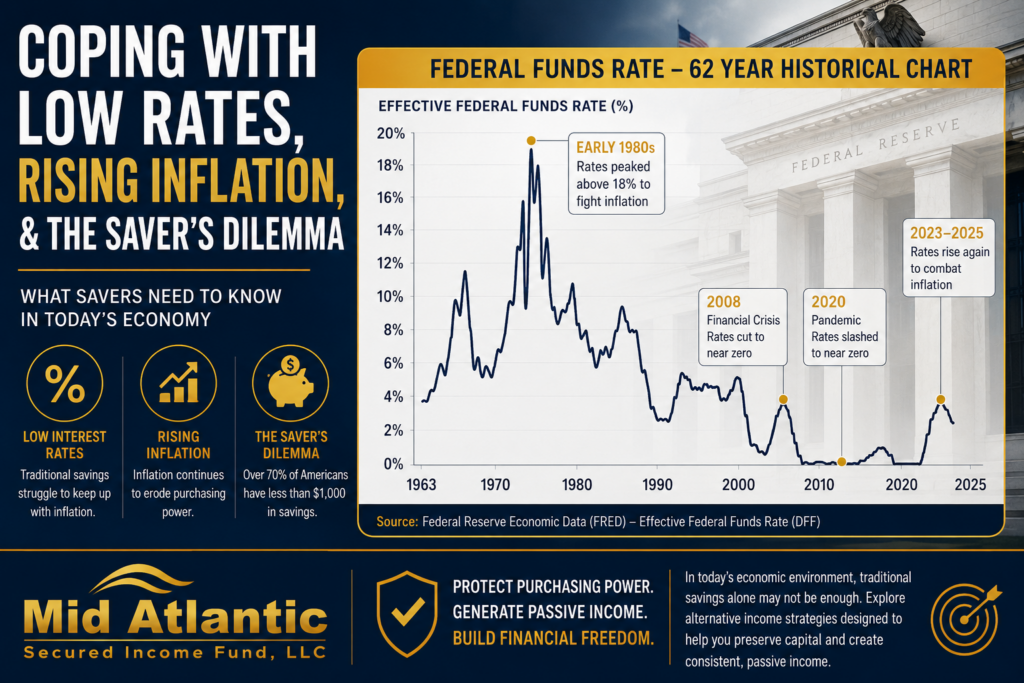
Lease-up may take longer than projected. Construction or renovation budgets may rise. Interest rates may move against the borrower before permanent refinancing is available. Tenant rollover can interrupt expected cash flow. Even in healthy markets, liquidity can change quickly. The Federal Reserve’s policy path, regional bank appetite, and broader commercial real estate sentiment all influence refinance conditions.
That is why conservative structuring matters. Lower leverage can create room for a slower execution timeline. Interest reserves can reduce pressure during stabilization. Clear reporting and milestone-based disbursements can improve lender visibility. In a disciplined credit framework, bridge lending is not built on best-case scenarios. It is built on whether the loan still works if progress is slower than expected.
What borrowers should evaluate before moving forward
The strongest borrowers approach a bridge refinance with the same rigor a lender will apply. They know the current value, the as-stabilized thesis, and the exact steps required to get from one to the other.
Before accepting terms, it is worth pressure-testing several issues. First, how realistic is the exit within the proposed term? Second, does the projected loan amount leave enough borrower equity in the deal to protect against market movement? Third, are the lender’s reserves, extension conditions, and reporting requirements workable in practice? Fourth, if the property needs additional leasing or construction progress, who is accountable and on what timeline?
It is also wise to distinguish between flexibility and looseness. Flexible lending can be valuable when a transaction does not fit a bank’s template. Loose underwriting is different. Borrowers should prefer lenders that can move decisively while still maintaining clear standards around leverage, valuation, legal structure, and documentation. Speed has value, but only when paired with discipline.
Why this matters to income-focused private credit investors
For accredited investors evaluating asset-backed private credit strategies, commercial refinance bridge loans illustrate both the appeal and the necessity of careful underwriting. These loans can generate attractive current income because they finance a real need in the market: transitional periods that conventional lenders often avoid or delay.
But the income potential only makes sense when risk controls are real. In private credit, the difference between attractive yield and unnecessary risk often comes down to first-position collateral, conservative loan-to-value ratios, experienced sponsorship, and active servicing throughout the life of the loan. That is particularly relevant for investors seeking alternatives to traditional fixed income, including those using self-directed IRAs or rollover retirement capital to pursue asset-backed income strategies.
A disciplined manager does not treat every refinance request as a lending opportunity. The focus should be on whether the property, sponsor, and exit collectively support capital preservation first. Mid Atlantic Secured Income Fund operates from that premise, emphasizing short-duration, collateral-backed lending where risk management is the starting point rather than a footnote.
Commercial refinance bridge loans in a tighter credit environment
When bank lending becomes more selective, bridge refinance demand tends to rise. That does not automatically make every loan attractive, but it does make private credit more relevant. Borrowers still need maturing debt resolved. Projects still need time to stabilize. Owners still need financing that reflects where the asset is headed, not just where it stands on a single reporting date.
For borrowers, that means commercial refinance bridge loans can be a practical tool when used with precision. For investors, it means transitional lending can provide income backed by real estate collateral and structured around shorter durations than many long-dated alternatives. The common thread is discipline.
The right bridge loan is not a shortcut. It is a temporary structure built to solve a specific financing problem, with a clear exit and enough margin for reality to unfold more slowly than planned. That is usually where the best credit decisions begin.