How Sophisticated Investors Are Redefining Retirement Portfolio Construction
For decades, retirement investing in the United States centered around a relatively straightforward formula: maximize contributions to traditional retirement accounts, maintain broad stock market exposure, gradually shift toward bonds over time, and rely on long-term market appreciation.
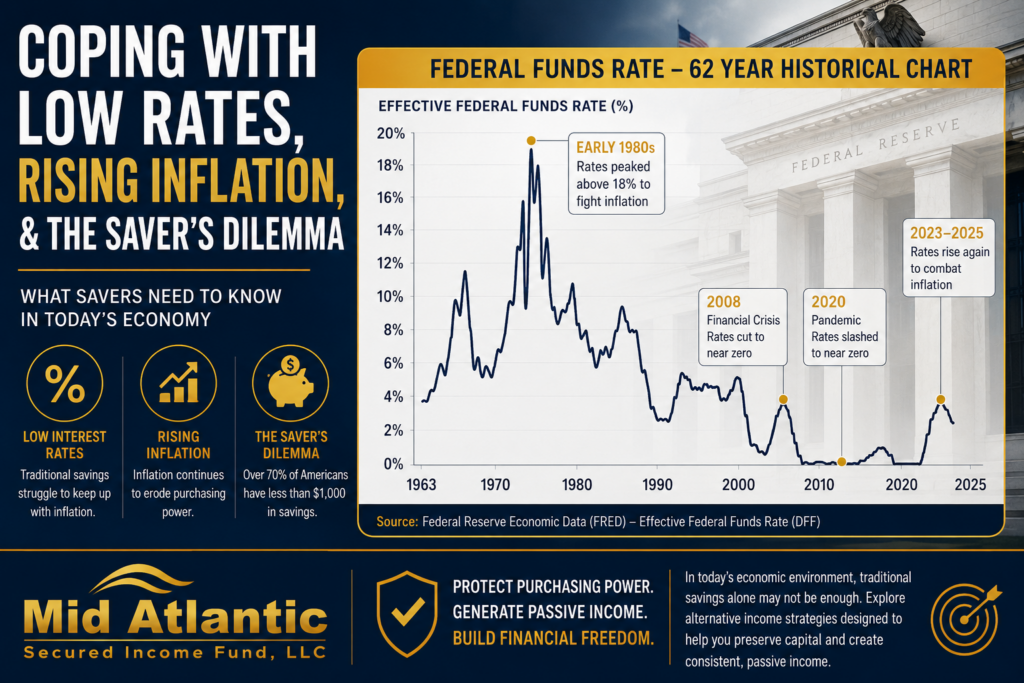
That framework worked reasonably well during prolonged periods of falling interest rates, strong equity performance, and stable inflation.
Today’s environment is different.
Persistent inflation pressures, elevated market volatility, rising geopolitical uncertainty, changing monetary policy cycles, and concerns surrounding retirement income sustainability are forcing investors to rethink traditional retirement portfolio construction.
Increasingly, affluent investors, accredited investors, family offices, and retirement-focused allocators are seeking higher-quality diversification and alternative sources of return beyond conventional stock-and-bond allocations.
This shift has accelerated interest in what many investors broadly describe as “high return retirement investments.”
However, the most sophisticated retirement investors understand that pursuing higher returns is not simply about chasing yield.
Instead, it involves balancing:
- capital appreciation,
- downside risk management,
- inflation resilience,
- income consistency,
- liquidity needs,
- tax efficiency,
- and long-term portfolio durability.
The modern retirement portfolio is becoming increasingly multi-dimensional.
What Are High Return Retirement Investments?
Direct Answer
High return retirement investments are assets or investment strategies designed to generate above-average long-term returns, enhanced retirement income, or stronger inflation-adjusted growth relative to traditional low-yield savings or conservative bond allocations.
These investments may include:
- private credit,
- real estate debt funds,
- dividend-focused equities,
- infrastructure,
- alternative investments,
- private real estate,
- secured lending,
- REITs,
- self-directed IRA investments,
- and select private market opportunities.
The objective is not merely maximizing raw returns.
Rather, sophisticated retirement investing focuses on optimizing risk-adjusted returns over long time horizons.
Why Traditional Retirement Strategies Are Under Pressure
Several structural economic trends are reshaping retirement planning.
1. Longer Retirement Horizons
Americans are living longer than previous generations.
According to U.S. Census Bureau and Social Security Administration data, many retirees may need portfolios capable of supporting income needs for 25–35 years or more.
This increases pressure on portfolio growth and sustainable income generation.
2. Inflation Risk
Inflation remains one of the most significant long-term threats to retirement purchasing power.
Even moderate inflation materially impacts retirees over multi-decade periods.
According to Bureau of Labor Statistics data, cumulative inflation since 2020 has meaningfully increased costs across:
- housing,
- healthcare,
- insurance,
- utilities,
- food,
- and retirement living expenses.
Portfolios heavily concentrated in low-yield fixed income may struggle to preserve purchasing power over time.
3. Bond Market Challenges
Traditional retirement allocations historically relied heavily on bonds for income and stability.
However, changing interest rate environments exposed weaknesses in conventional fixed-income assumptions.
Many investors now seek alternative income-producing assets capable of generating potentially higher yields with differentiated risk characteristics.
4. Market Volatility
Public equities remain critical to long-term growth portfolios, but market concentration and elevated volatility have increased interest in alternative diversification strategies.
Investors increasingly recognize that relying exclusively on public markets may create concentration risk.
The Evolution of Retirement Portfolio Construction
Institutional investors and family offices have spent decades expanding beyond the traditional 60/40 stock-and-bond model.
Alternative assets now play a substantially larger role in sophisticated portfolio construction.
According to BlackRock, Preqin, and McKinsey research, institutional allocations to alternatives have grown steadily over the last two decades.
These allocations frequently include:
- private credit,
- infrastructure,
- real estate,
- commodities,
- private equity,
- and secured lending.
Retail retirement investors are increasingly adopting similar diversification frameworks.
Categories of High Return Retirement Investments
1. Private Credit Investments
Private credit has become one of the fastest-growing alternative asset classes globally.
What Is Private Credit?
Private credit generally refers to non-bank lending strategies where investors provide capital directly to borrowers outside traditional public bond markets.
Examples may include:
- senior secured real estate loans,
- bridge lending,
- construction lending,
- asset-backed lending,
- and private debt funds.
According to Preqin, private credit assets under management have grown dramatically over the past decade as banks reduced certain lending exposures following post-2008 regulatory changes.
Why Retirement Investors Explore Private Credit
Sophisticated investors often view private credit favorably because it may provide:
- income generation,
- floating-rate exposure,
- lower correlation to equities,
- collateral-backed structures,
- and enhanced yield potential.
Many private credit investments prioritize downside protection through senior secured lending structures.
2. Real Estate Debt Funds
Unlike traditional equity real estate investing, real estate debt investing focuses on lending against real estate collateral.
Key Characteristics
Real estate debt funds may offer:
- income-oriented strategies,
- monthly distributions,
- asset-backed exposure,
- and reduced volatility compared to certain equity investments.
Senior secured lending structures place lenders higher in the capital stack than equity investors.
This distinction matters significantly during market downturns.
3. Dividend Growth Investing
Dividend-paying equities remain foundational components of many retirement portfolios.
However, sophisticated retirement investors increasingly focus on:
- dividend sustainability,
- free cash flow quality,
- balance sheet strength,
- and inflation-adjusted growth potential.
Dividend growth investing attempts to combine:
- current income,
- long-term appreciation,
- and compounding reinvestment effects.
4. Self-Directed IRA Investments (SDIRAs)
Self-Directed IRAs allow retirement investors to access broader alternative investment opportunities beyond traditional brokerage assets.
SDIRAs may hold:
- private credit,
- real estate,
- precious metals,
- secured lending investments,
- private funds,
- and other alternative assets.
Many sophisticated investors use SDIRAs to diversify retirement exposure beyond public markets.
5. Real Estate Investments
Real estate continues to play a major role in retirement diversification strategies.
Investors may gain exposure through:
- direct ownership,
- REITs,
- private real estate funds,
- real estate debt,
- and income-producing commercial assets.
Real estate may provide:
- inflation sensitivity,
- cash flow,
- tax advantages,
- and long-term appreciation potential.
Are High Return Retirement Investments Riskier?
Direct Answer
Higher potential returns generally involve higher levels of risk, complexity, or reduced liquidity.
However, not all “high return” investments carry identical risk characteristics.
For example:
|
Investment Type |
Primary Risk |
|---|---|
|
Growth Stocks |
Market volatility |
|
Private Credit |
Credit/default risk |
|
Real Estate |
Market & liquidity risk |
|
Bonds |
Interest rate risk |
|
Precious Metals |
Price volatility |
|
Private Equity |
Illiquidity & execution risk |
Sophisticated retirement investing focuses on balancing multiple forms of risk rather than simply maximizing returns.
The Importance of Diversification
Diversification remains one of the most important principles in retirement investing.
Institutional portfolio construction generally avoids excessive concentration in any single asset class.
A modern diversified retirement portfolio may include exposure across:
- equities,
- fixed income,
- private credit,
- real estate,
- alternative assets,
- and inflation-sensitive investments.
The objective is portfolio resilience across multiple economic environments.
Why Accredited Investors Often Access Broader Opportunities
Accredited investors frequently gain access to investment categories unavailable through traditional brokerage accounts.
These may include:
- private funds,
- direct lending strategies,
- real estate debt funds,
- private placements,
- and institutional alternative investments.
Such investments may offer:
- differentiated return profiles,
- income potential,
- and broader diversification opportunities.
However, they also require enhanced due diligence and risk evaluation.
High Return Does Not Mean Speculative
One of the largest misconceptions in retirement investing is equating “high return” with speculative behavior.
Sophisticated investors often pursue higher risk-adjusted returns through:
- disciplined underwriting,
- asset-backed structures,
- cash-flow-oriented investments,
- and diversified alternative allocations.
Many institutional investors prioritize consistency and downside management over maximizing upside volatility.
The Role of Inflation-Resistant Assets
Inflation significantly impacts retirement sustainability.
Investments frequently viewed as inflation-sensitive include:
- real estate,
- infrastructure,
- commodities,
- private credit,
- and certain floating-rate assets.
Many retirement investors incorporate inflation-resistant investments to help preserve purchasing power over long time horizons.
How Private Credit Differs From Traditional Bonds
Traditional bonds are typically publicly traded debt securities.
Private credit differs because lending occurs directly between investors and borrowers.
Potential Differences Include:
|
Traditional Bonds |
Private Credit |
|---|---|
|
Public markets |
Private markets |
|
Often lower yields |
Potentially higher yields |
|
Daily liquidity |
Lower liquidity |
|
Broad market exposure |
Direct underwriting focus |
|
Lower customization |
Customized structures |
Private credit may provide diversification benefits because performance drivers often differ from public fixed income markets.
Retirement Income vs Retirement Growth
Retirement portfolios generally balance two competing priorities:
Growth
Designed to:
- outpace inflation,
- preserve purchasing power,
- and support long-term wealth accumulation.
Income
Designed to:
- generate cash flow,
- reduce reliance on asset liquidation,
- and support retirement lifestyle needs.
Sophisticated retirement investing often integrates both objectives simultaneously.
Why Portfolio Structure Matters More Than Individual Investments
Long-term retirement success is often driven less by finding a single “best” investment and more by constructing a resilient portfolio framework.
Important variables include:
- allocation discipline,
- diversification,
- risk management,
- tax efficiency,
- rebalancing,
- and behavioral consistency.
Institutional portfolio management prioritizes systems and process over speculation.
Common Retirement Investment Mistakes
1. Over-Concentration
Many investors unknowingly concentrate heavily in:
- employer stock,
- public equities,
- or interest-rate-sensitive assets.
Diversification helps reduce concentration risk.
2. Chasing Yield
Extremely high yields may signal elevated risk.
Sophisticated investors evaluate:
- underwriting quality,
- collateral protection,
- borrower strength,
- and downside mitigation.
3. Ignoring Inflation
Low-yield investments may fail to preserve real purchasing power after inflation.
4. Emotional Investing
Retirement portfolios should generally be driven by long-term strategy rather than short-term headlines.
5. Underestimating Longevity Risk
Many retirees underestimate how long retirement assets may need to last.
Longer life expectancy increases the importance of growth and income sustainability.
The Rise of Alternative Retirement Investing
Alternative investments are becoming increasingly mainstream among retirement-focused investors.
According to BlackRock and Preqin research, demand continues increasing for:
- private credit,
- infrastructure,
- private real estate,
- secured lending,
- and diversified income-oriented strategies.
This trend reflects broader recognition that traditional portfolios may require additional diversification in modern economic environments.
How The Mid Atlantic Fund Fits Into Income-Oriented Retirement Planning
At The Mid Atlantic Secured Income Fund, we believe many retirement investors increasingly prioritize:
- capital preservation,
- income consistency,
- collateral-backed investing,
- and disciplined underwriting.
Income-focused private credit and secured real estate lending strategies may complement broader retirement portfolios seeking diversification beyond traditional public markets.
Sophisticated retirement investing is not about chasing the highest possible return.
It is about constructing resilient portfolios capable of navigating multiple economic cycles.
What Makes an Investment Suitable for Retirement?
Direct Answer
Retirement investments should generally align with:
- time horizon,
- liquidity needs,
- income objectives,
- inflation concerns,
- tax strategy,
- and overall risk tolerance.
The most appropriate investment strategy depends on the investor’s broader financial picture and retirement goals.
Frequently Asked Questions (FAQ)
What are the best high return retirement investments?
There is no universally “best” investment. Many sophisticated retirement portfolios combine equities, private credit, real estate, alternative investments, and income-producing assets for diversification and risk management.
Are alternative investments good for retirement portfolios?
Alternative investments may provide diversification, inflation sensitivity, and differentiated income opportunities. However, they also involve unique risks and liquidity considerations.
What is private credit investing?
Private credit involves non-bank lending strategies where investors provide capital directly to borrowers through structured debt investments.
Are debt funds safer than stocks?
Debt funds and stocks carry different risk profiles. Senior secured debt investments may offer downside protections through collateral structures, while equities typically prioritize growth potential.
How do accredited investors use private credit?
Accredited investors often use private credit for:
- income generation,
- portfolio diversification,
- floating-rate exposure,
- and alternative return streams.
What role does real estate play in retirement investing?
Real estate may provide:
- income potential,
- inflation sensitivity,
- diversification,
- and long-term appreciation opportunities.
Can retirement portfolios include alternative assets?
Yes. Self-Directed IRAs and certain private investment structures may allow exposure to alternative assets such as private credit, real estate, and secured lending strategies.
What are the risks of high return investments?
Risks may include:
- market volatility,
- liquidity limitations,
- credit/default risk,
- economic downturns,
- and asset-specific risks.
Diversification and disciplined underwriting remain critical.